Zygomatic Implants: Options for Severe Upper Jaw Bone Loss
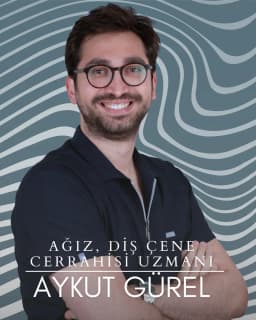
Dr. Aykut Gürel
Oral & Maxillofacial Surgery Specialist
Published: Content last updated: 3 min read
About the surgeonHave a question?WhatsAppAppointment
Contents
What Are Zygomatic Implants?
Zygomatic implants obtain support from the cheekbone when severe upper jaw bone loss limits conventional implant treatment. They may be combined with conventional implants or used in other carefully selected configurations. They are not a treatment for the lower jaw or the first choice for every patient with bone loss.
The goal is a usable, maintainable prosthesis, not simply implant placement. See our zygomatic implant treatment page for an overview.
Assessment and Alternatives
Examination, three-dimensional imaging, sinus assessment and the proposed prosthesis are considered together. Previous implant or graft failures, medicines, general health and cleaning ability also matter. Wanting a faster treatment or being unable to have a graft does not automatically make zygomatic surgery suitable.
Alternatives can include grafting with conventional implants, other implant designs where anatomy allows, or removable prostheses. Bone loss options should be compared in terms of surgical burden, maintenance and personal priorities.
Temporary Teeth and Healing
The surgical approach, anaesthesia and treatment setting are planned individually. A fixed temporary prosthesis may be possible when implant stability and prosthetic conditions are suitable. It cannot be promised before surgery, and an alternative provisional plan may be needed.
Temporary teeth do not mean healing is complete. The final prosthesis is provided when clinical progress allows. Zygomatic treatment can avoid some extensive graft procedures in selected patients, but does not guarantee one operation, no additional treatment or a fixed completion date.
Risks and Follow-up
Possible complications include sinusitis, a connection between the mouth and sinus, soft-tissue problems, altered sensation, implant loss and prosthetic complications. Rare but serious injuries involving structures around the eye are also relevant to informed consent. A surgical guide does not remove these risks.
Follow the instructions provided for your procedure. New visual symptoms, rapidly increasing swelling around the eye or breathing difficulty require urgent assessment; do not wait for a WhatsApp reply. New sinus symptoms or a loose prosthesis should also be reviewed.
Frequently Asked Questions
Will I definitely avoid a bone graft?
No. The approach may replace some grafting procedures, but additional tissue treatment and prosthetic requirements vary.
Can I book a flight home for a fixed day?
Travel and follow-up should be agreed around your treatment and recovery. Remote messages cannot replace an examination when a complication is suspected. Arrange local follow-up and clarify who to contact after returning home.
What should the quote include?
Implants, anaesthesia and setting, temporary and final prostheses, reviews and possible additional procedures should be distinguished. A lower total cost than a graft-based plan cannot be guaranteed.
Questions and Appointments
Write to us on WhatsApp to speak directly with Dr. Aykut Gürel about an assessment. International patient appointments are planned at Dentopol Ümraniye on Mondays, Wednesdays and Saturdays, 09:00–18:00 Istanbul time.
Dr. Gürel speaks English. Written messages in other languages can be supported by translation; please confirm availability of a spoken-language interpreter before your appointment. Treatment, follow-up and any transfer or accommodation arrangements are confirmed individually before booking travel.
References
Related pages
Discuss Your Questions with Dr. Gürel
Your first message goes directly to Dr. Aykut Gürel, who personally handles the initial discussion and appointment planning. You can start by sharing your country, preferred language and any proposed travel dates.
If you are travelling from abroad for treatment, Dr. Gürel plans your visit at Dentopol Ümraniye. The treatment location and appointment are confirmed with you before you travel.
WhatsApp opens a draft; send it to start the conversation. An appointment is confirmed only after Dr. Gürel replies.